The Importance of Community Development in Rural Bangladesh
Rural development in Bangladesh requires moving beyond top-down interventions toward participatory approaches that honor local leadership, foster shared responsibility, and build lasting resilience.
Introduction: Redefining Development from the Ground Up
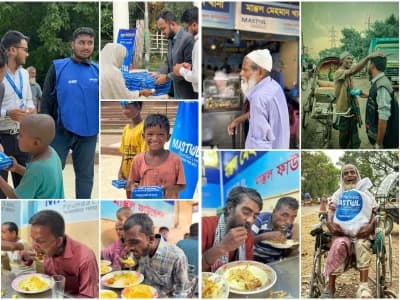
For decades, development dialogues surrounding rural Bangladesh focused predominantly on macroeconomic figures, infrastructure quotas, and centralized aid delivery. While macroscopic investments in highways, telecommunications, and national energy grids have undoubtedly connected remote upazilas to regional economic corridors, the real fabric of community well-being continues to be determined at the village and union council levels.
True community development is fundamentally distinct from external charity. It represents an intentional process through which community members join together to identify shared challenges, pool local assets, and implement locally adapted solutions. In rural unions across districts such as Cox's Bazar, Kurigram, and Satkhira, sustainable transformation occurs only when local residents are recognized as the primary architects of their own progress rather than passive recipients of external relief.
The Persistent Realities Facing Rural Populations
Rural communities across Bangladesh navigate a complex convergence of geographical vulnerabilities, seasonal shocks, and structural constraints:
Overcoming these multifaceted hurdles demands solutions that are holistic, participatory, and grounded in the lived realities of village households.
Why Community Participation is Non-Negotiable
External development models frequently falter because they design interventions in distant boardrooms without appreciating the nuanced social dynamics of rural communities. Participatory development shifts this paradigm by positioning local voices at the center of the project life cycle:
1. Harnessing Indigenous Knowledge
Rural farmers, artisans, and women's self-help groups possess intergenerational understanding of their local ecology. They understand which drainage routes withstand monsoon deluges, which indigenous paddy varieties tolerate brackish water, and which community communication channels reach elders and isolated homesteads most reliably. Respecting this wisdom ensures that interventions are ecologically and culturally sound.
2. Building Collective Ownership
When village residents actively contribute to planning—whether allocating land for a shared community tube-well or designing an evening adult literacy circle—they view the initiative as their own. This sense of pride and collective stewardship is the single greatest deterrent against project abandonment when external organizational funding concludes.
3. Fostering Transparent Social Accountability
Open community assemblies (such as traditional *gram sabha* dialogues and neighborhood forums) encourage peer-to-peer accountability. When community members discuss budget allocations, beneficiary selection criteria, and project timelines openly, trust is strengthened, and the risk of elite capture is dramatically diminished.
The Vital Role of Local Leadership
No outside agency can replace genuine local leadership. Sustainable rural development depends heavily on nurturing leadership across diverse segments of the population:
- Youth Change-Makers: Young men and women in rural unions possess energy, digital literacy, and civic enthusiasm. When provided with mentorship and civic organizing skills, youth mobilize clean-up drives, assist elderly neighbors during flood alerts, and organize tutoring support for struggling primary school children.
- Women Leaders and Mothers' Circles: Rural women are the primary managers of domestic water, household nutrition, and child healthcare. When women participate directly in community decision-making committees, collective investments in safe drinking water, sanitary facilities, and girls' schooling increase demonstrably.
- Traditional Elders and Community Guides: Respected village elders, religious teachers, and local educators serve as trusted mediators. Engaging these figures respectfully bridges generational perspectives and resolves neighborhood conflicts through peaceful conciliation.
Practical Pillars for Sustainable Local Approaches
To cultivate durable progress, nonprofit facilitators, civil society organizations, and local government bodies must focus on four practical pillars:
1. Asset-Based Community Development (ABCD)
   Focus on identifying existing skills, community land, and mutual-aid networks before cataloging deficits.

2. Inclusive Social Mobilization
   Deliberately engage marginalized day laborers, persons with disabilities, and single mothers in all village consultations.

3. Locally Managed Resilience Funds
   Encourage voluntary neighborhood savings groups that provide emergency micro-loans during agricultural lean seasons (monga).

4. Practical Capacity Sharing
   Offer practical workshops on climate-adaptive agriculture, organic composting, basic financial bookkeeping, and household disaster safety.
Moving Forward Together
The future of rural Bangladesh is not written by external benevolence, but by the resilience, creativity, and determination of its people. When development organizations approach rural communities with humility, listening intently and supporting local initiatives rather than prescribing rigid agendas, enduring change takes root.
By investing in human dignity, fostering transparent local leadership, and respecting the inherent wisdom of rural communities, we cultivate a Bangladesh where every village possesses the tools, confidence, and solidarity to thrive.
References & Factual Data Sources
- [1]Bangladesh Bureau of Statistics (BBS) - Report on the Household Income and Expenditure Survey — Government of the People's Republic of Bangladesh, 2022
- [2]Local Government and Rural Development in Bangladesh: Challenges and Opportunities — Bangladesh Academy for Rural Development (BARD), Comilla
- [3]Participatory Rural Appraisal (PRA) Guidelines and Experiences in South Asia — Food and Agriculture Organization (FAO) Rural Development Series
*Cited sources provide independent context regarding development in Bangladesh. JAKLEN does not fabricate interviews, beneficiaries, or survey statistics.
Related Educational Articles
 Women's Empowerment
Empowering Women for Stronger Communities in Bangladesh
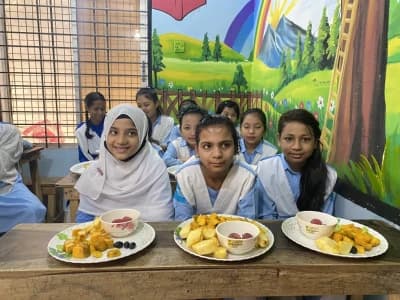
When women in rural and coastal Bangladesh gain access to education, practical financial skills, and leadership platforms, entire communities become more resilient, healthier, and equitable.
 Youth Development
The Role of Young People in Sustainable Community Development
Young people constitute the most dynamic demographic force in Bangladesh. When guided by ethical leadership and practical civic skills, youth become catalyst changemakers for their communities.
 Nonprofit Governance
Why Accountability and Transparency Matter in Nonprofit Organizations
Public trust is the most precious currency of any civil society initiative. Genuine transparency, ethical governance, and downward accountability transform good intentions into credible impact.