The Role of Young People in Sustainable Community Development
Young people constitute the most dynamic demographic force in Bangladesh. When guided by ethical leadership and practical civic skills, youth become catalyst changemakers for their communities.
Introduction: The Demographic Power of Bangladesh's Youth
Bangladesh is experiencing a historic demographic dividend. With more than 30% of its total population aged between 15 and 30, the nation possesses an extraordinary reservoir of creativity, energy, digital agility, and social conscience. In rural villages, semi-urban municipalities, and coastal upazilas, young people are rarely content to sit idly as spectators; they yearn to contribute meaningfully to their communities.
Historically, however, youth in remote areas have often been marginalized in traditional community power structures. Local councils, dispute resolution bodies, and development committees have predominantly been the domain of elders, leaving young men and women feeling unheard and economically underutilized. Reversing this dynamic—transforming passive frustration into proactive civic engagement—is essential for achieving equitable and durable community development.
The Challenges Facing Rural and Coastal Youth
Understanding the real hurdles young people navigate is crucial for designing genuine empowerment initiatives:
1. The Gap Between Academic Credentials and Practical Livelihoods
While millions of rural youth complete secondary or higher secondary education, vocational opportunities in local unions remain limited. Academic curricula frequently prioritize theoretical memorization over practical competencies—such as computer literacy, agribusiness management, electrical repair, or professional communication—leaving graduates underemployed.
2. Digital Divide and Information Vulnerability
The rapid proliferation of 4G mobile internet across rural Bangladesh has connected millions of young people to social media platforms. However, without digital literacy training and critical thinking guidance, youth can fall prey to viral misinformation, online scams, cyberbullying, or unproductive screen time, rather than harnessing technology for education and community advocacy.
3. Limited Civic and Extracurricular Outlets
In many rural unions, young people lack community sports grounds, youth libraries, arts clubs, or cultural hubs. This scarcity of positive communal gathering spaces can lead to social disengagement, apathy, and vulnerability to destructive social habits.
Transforming Youth Potential into Grassroots Action
When civil society, schools, and local government provide mentorship, structured platforms, and trust, youth naturally emerge as powerful catalysts for social progress across five critical domains:
   ┌─────────────────────────────────────────────────────────────┐
   │         FIVE DOMAINS OF CONSTRUCTIVE YOUTH ENGAGEMENT       │
   ├──────────────────────────────┬──────────────────────────────┤
   │ 1. Emergency Disaster Action │ Rapid warning, rescue teams, │
   │                              │ shelter support, rehabilitation│
   ├──────────────────────────────┼──────────────────────────────┤
   │ 2. Peer Mentoring & Literacy │ After-school study circles,  │
   │                              │ combating early marriage     │
   ├──────────────────────────────┼──────────────────────────────┤
   │ 3. Community Health Advocacy │ WASH campaigns, dengue cleanup,│
   │                              │ hygiene promotion in bazaars │
   ├──────────────────────────────┼──────────────────────────────┤
   │ 4. Climate & Tree Planting   │ Mangrove nurseries, canal    │
   │                              │ clearance, eco-stewardship   │
   ├──────────────────────────────┼──────────────────────────────┤
   │ 5. Constructive Digital Work │ Civic information sharing,   │
   │                              │ micro-work, local stories    │
   └──────────────────────────────┴──────────────────────────────┘
1. First Responders in Community Emergencies
During cyclones, tidal surges, and monsoonal flash floods, local youth volunteers are invariably the first to act. Long before external relief agencies can navigate flooded roadways, youth groups assist bedridden elders to cyclone shelters, ferry drinking water in wooden dinghies, clear toppled trees from arterial roads, and run emergency kitchens for displaced families.
2. Educational Champions and Peer Mentors
Rural youth understand the academic challenges facing younger children in their own neighborhoods. When organized into local volunteer tutoring networks, high school and college students provide free evening coaching to primary school pupils whose parents cannot read. Beyond academics, older youth act as role models, talking openly with adolescent peers about the importance of staying in school and refusing early child marriage.
3. Public Health and Sanitation Advocates
Young volunteers inject energy into public health campaigns. From organizing village bazaar clean-up drives and painting educational hygiene murals to conducting street theatre (*natok*) on mosquito control and diarrheal prevention, youth communicate critical health advice in ways that are engaging, memorable, and culturally resonant.
4. Environmental Stewardship and Mangrove Restoration
In vulnerable coastal areas like Cox's Bazar, youth eco-clubs are spearheading practical climate resilience. They establish community seedbeds, participate in mangrove afforestation along tidal mudflats to dampen storm waves, and campaign against plastic pollution in coastal waterways.
5. Responsible Digital Citizenship
Equipping youth with ethical digital skills empowers them to become community storytellers and civic bridge-builders. Young people can document local heritage, assist elderly neighbors in registering for national digital services (such as government pension cards or birth registrations), and use digital tools to verify news before sharing, thereby checking the spread of rumors.
Principles for Meaningful Youth Programs
For youth development programs to avoid becoming tokenistic or exploitative, organizations must adhere to four ethical principles:
Conclusion: Sowing the Seeds of Tomorrow
The young people of Bangladesh are not merely the leaders of some distant future; they are vital leaders of today. When we listen to their aspirations, equip them with practical skills, and entrust them with community responsibility, they repay that trust tenfold.
By investing in the energy, empathy, and idealism of youth, rural communities cultivate an enduring legacy of leadership that will safeguard and uplift Bangladesh for generations to come.
References & Factual Data Sources
- [1]National Youth Policy of Bangladesh — Department of Youth Development, Ministry of Youth and Sports, Government of Bangladesh
- [2]Harnessing the Demographic Dividend: Youth Engagement and Civic Participation in Bangladesh — United Nations Development Programme (UNDP) Bangladesh
- [3]Volunteering for Sustainable Development: Youth Action in Local Communities — United Nations Volunteers (UNV) South Asia Monograph
*Cited sources provide independent context regarding development in Bangladesh. JAKLEN does not fabricate interviews, beneficiaries, or survey statistics.
Related Educational Articles
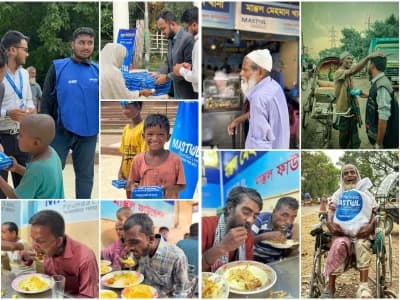 Community Development
The Importance of Community Development in Rural Bangladesh
Rural development in Bangladesh requires moving beyond top-down interventions toward participatory approaches that honor local leadership, foster shared responsibility, and build lasting resilience.
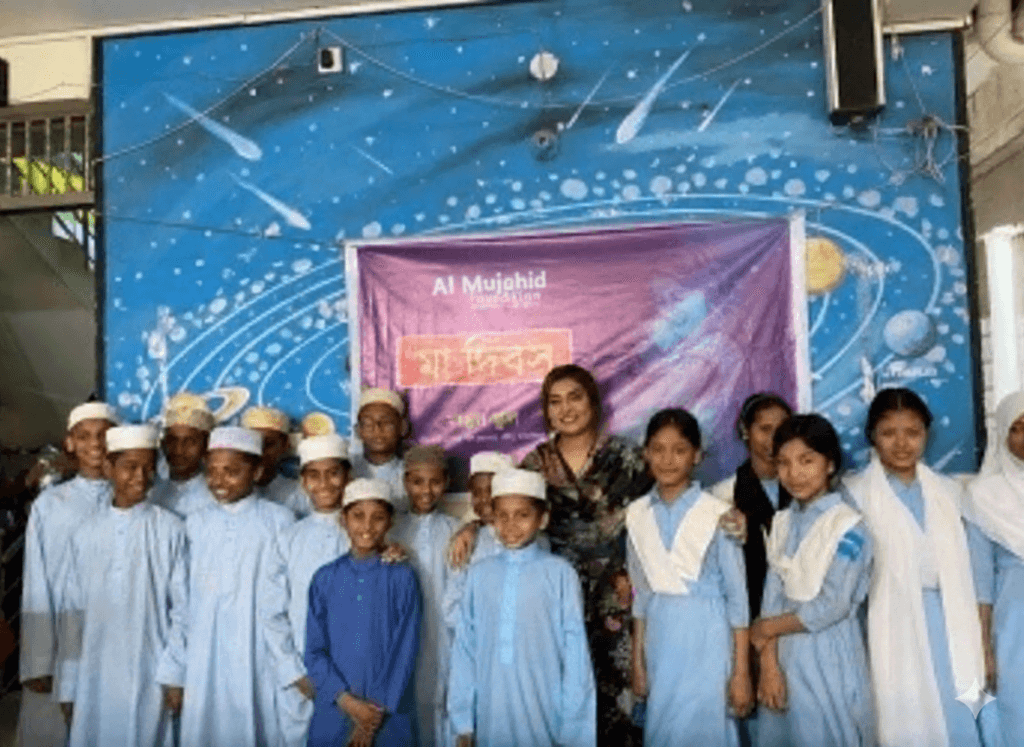 Education & Learning
Why Education Matters for Children in Underserved Communities
Access to safe, high-quality, and nurturing education transforms lives, offering children in remote and economically vulnerable communities a pathway to dignified livelihoods and civic agency.
 Nonprofit Governance
Why Accountability and Transparency Matter in Nonprofit Organizations
Public trust is the most precious currency of any civil society initiative. Genuine transparency, ethical governance, and downward accountability transform good intentions into credible impact.