Why Education Matters for Children in Underserved Communities
Access to safe, high-quality, and nurturing education transforms lives, offering children in remote and economically vulnerable communities a pathway to dignified livelihoods and civic agency.
Introduction: Education as the Cornerstone of Human Dignity
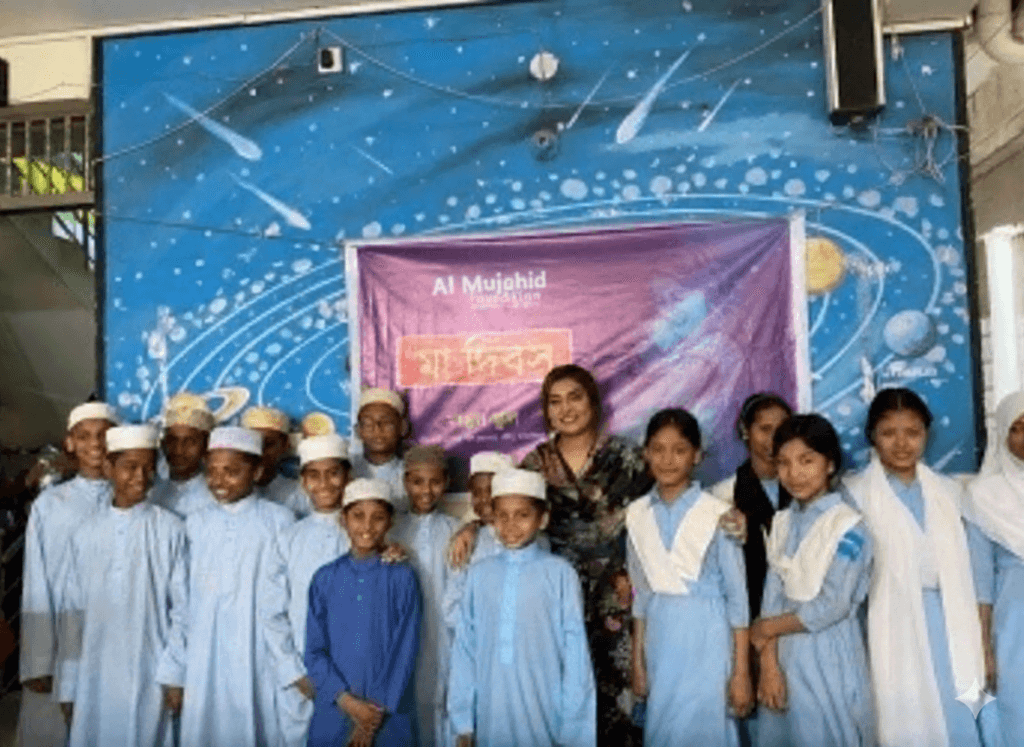
In every village and remote settlement across Bangladesh, a child's right to learn represents far more than the acquisition of literacy and numeracy; it is the fundamental foundation for personal dignity, self-determination, and multi-generational poverty reduction. When a child learns to read with comprehension, solve arithmetic equations, and think critically about their surroundings, the boundaries of what is possible expand exponentially.
However, in underserved geographic pockets—such as riverine chars, coastal peninsulas like Teknaf, and informal urban fringes—the journey to completing a basic primary and secondary education remains fraught with obstacles. Ensuring that every child, regardless of birth circumstances or economic vulnerability, enjoys uninterrupted access to safe, inclusive, and high-quality education is the central development challenge of our era.
The Reality of Educational Disparities in Underserved Regions
While national statistics commendably reflect near-universal primary gross enrollment rates, deeper disaggregation reveals that attendance regularity, retention, and foundational learning mastery diverge sharply across geographical and socio-economic lines:
1. The Reality of the Learning Poverty Gap
Enrollment in a school roster does not automatically equal learning. Many rural primary schools struggle with oversized classes, where one teacher manages 60 or 70 students across varying comprehension levels. Without individualized instruction and remedial support, many children reach Grade 5 without having mastered Grade 2 reading fluency or basic arithmetic operations.
2. Economic Pressures and School Dropouts
For families subsisting on casual agricultural day-labor or seasonal fishing, schooling entails hidden costs—uniforms, stationery, private coaching, and transportation fares. As children approach upper primary and lower secondary grades (ages 10 to 14), the opportunity cost of schooling rises. Boys are often withdrawn to engage in daily wage labor, while adolescent girls face household care burdens or early marriage pressures.
3. Geographical Isolation and Climatic Disruptions
In low-lying delta terrains and coastal riverbanks, seasonal monsoon floods and tidal surges submerge roadways, rendering school access hazardous or impossible for months at a time. Furthermore, when extreme cyclones damage tin-roofed schoolhouses or turn them into temporary emergency storm shelters, formal academic classes are disrupted for weeks.
4. Children with Disabilities and Specialized Needs
Children with physical disabilities, sensory impairments, or neurodevelopmental differences are disproportionately left behind in rural communities. The absence of wheelchair-accessible ramps, assistive devices, and teacher training in inclusive pedagogy leaves thousands of capable children confined to their family courtyards.
Core Elements of Effective Community-Centered Education
Creating educational environments that genuinely serve marginalized children requires holistic, community-grounded strategies:
   ┌─────────────────────────────────────────────────────────────┐
   │         FOUNDATIONS OF AN EQUITABLE COMMUNITY SCHOOL        │
   ├──────────────────────────────┬──────────────────────────────┤
   │ 1. Child-Friendly Classrooms │ Safe physical spaces, clean  │
   │    & Inclusive Pedagogy      │ WASH facilities, disability  │
   │                              │ accessibility, positive care │
   ├──────────────────────────────┼──────────────────────────────┤
   │ 2. Mother & Family Support   │ Regular dialogue, homework   │
   │    Circles                   │ peer-mentoring, nutrition    │
   ├──────────────────────────────┼──────────────────────────────┤
   │ 3. Locally Adapted Learning  │ Contextual storybooks, play- │
   │    Materials                 │ based math, cultural respect │
   ├──────────────────────────────┼──────────────────────────────┤
   │ 4. Safeguarding & Protection │ Zero corporal punishment,    │
   │    Protocols                 │ safe transit to and from     │
   │                              │ learning centers             │
   └──────────────────────────────┴──────────────────────────────┘
1. Child-Friendly Classrooms and Positive Pedagogy
A child cannot learn effectively in an atmosphere of fear or physical discomfort. Replacing outdated corporal punishment and rote memorization with encouraging, interactive, and play-based pedagogy unlocks natural curiosity. Classrooms must be safe havens where asking questions is praised and making mistakes is understood as a vital step in learning.
2. Dignified and Separate Sanitation Facilities
The availability of functional, secure, and separate toilets for girls and boys, paired with running water and soap, directly impacts school retention. Decades of research in rural Bangladesh show that adolescent girls routinely miss one week of school each month during menstruation—eventually falling behind and dropping out—when schools lack private, hygienic sanitation facilities.
3. Mobilizing Parents and School Management Committees (SMCs)
Schools flourish when the surrounding community takes active ownership of them. Through vibrant School Management Committees (SMCs) and regular Mother-Teacher gatherings:
- Parents who may be non-literate themselves learn how to support their children's study routines at home by setting aside a quiet lamp and consistent homework hours.
- Community members monitor teacher attendance, report infrastructure hazards (such as cracked walls or broken latrines), and identify children at risk of dropping out before it occurs.
4. Foundational Literacy and After-School Remedial Support
Children from low-income homes rarely have access to private tutors, which has unfortunately become ubiquitous in the mainstream educational culture of South Asia. Free, community-led after-school study circles—staffed by local high school graduates or youth volunteers—bridge this gap, offering personalized guidance that helps struggling learners catch up with foundational reading and mathematics.
The Long-Term Multiplier: Educating the Girl Child
The impact of ensuring quality education for girls cannot be overstated. A girl who completes secondary education:
- Is significantly less likely to marry before adulthood.
- Will experience lower maternal mortality risks and raise healthier, well-nourished children.
- Reinvests up to 90% of her future income directly into her family's well-being and education.
- Contributes actively to community civic discussions, breaking cyclical intergenerational poverty.
Investing in girls' education is not merely an educational goal; it is the single most effective social development investment a community can make.
Conclusion: A Sacred Trust for Every Community
Education is the great equalizer. It transforms vulnerable children into confident community leaders, knowledgeable healthcare workers, ethical educators, and informed citizens.
When rural communities, civil society actors, and public institutions unite to build schools that are physically safe, pedagogically inspiring, and socially inclusive, we fulfill a sacred promise to the next generation: that their future will be defined not by the limitations of their birthplace, but by the boundless potential of their minds.
References & Factual Data Sources
- [1]Annual Primary School Census (APSC) Report — Directorate of Primary Education, Ministry of Primary and Mass Education, Bangladesh, 2023
- [2]Out-of-School Children and Dropout Patterns in Rural and Riverine Bangladesh — UNESCO & UNICEF Joint Country Evaluation Report
- [3]The Impact of Inclusive School Environments on Foundational Literacy and Numeracy — National Academy for Primary Education (NAPE), Mymensingh
*Cited sources provide independent context regarding development in Bangladesh. JAKLEN does not fabricate interviews, beneficiaries, or survey statistics.
Related Educational Articles
 Women's Empowerment
Empowering Women for Stronger Communities in Bangladesh
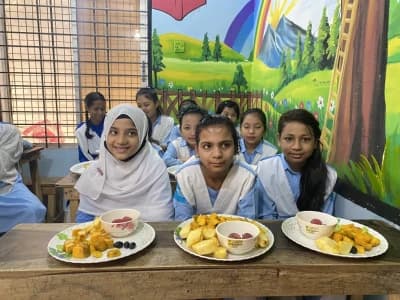
When women in rural and coastal Bangladesh gain access to education, practical financial skills, and leadership platforms, entire communities become more resilient, healthier, and equitable.
 Youth Development
The Role of Young People in Sustainable Community Development
Young people constitute the most dynamic demographic force in Bangladesh. When guided by ethical leadership and practical civic skills, youth become catalyst changemakers for their communities.
 Child Protection & Safety
Child Protection and Safe Learning Environments in Bangladesh
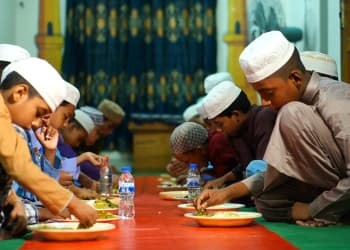
Every child has the fundamental right to learn, play, and grow free from fear, physical punishment, and exploitation. Building safe environments is a collective community responsibility.