Child Protection and Safe Learning Environments in Bangladesh
Every child has the fundamental right to learn, play, and grow free from fear, physical punishment, and exploitation. Building safe environments is a collective community responsibility.
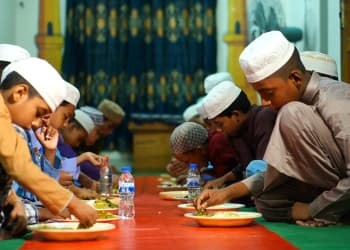
Introduction: The Sacred Right to a Safe Childhood
Childhood is a uniquely formative window in human life. During these critical early years, children develop their worldview, emotional resilience, cognitive capacities, and sense of personal self-worth. When a child grows up in an environment characterized by security, respectful guidance, and protection from harm, they flourish into confident, empathetic, and capable adults.
Conversely, exposure to physical violence, psychological intimidation, neglect, or hazardous exploitation inflicts profound, enduring trauma that impairs learning capacity and stunts emotional growth. In Bangladesh, where millions of children navigate the realities of rural economic hardship, natural disasters, or overcrowded learning spaces, establishing comprehensive child safeguarding systems is not an optional luxury—it is an unconditional legal, moral, and social mandate.
The Nature of Child Protection Risks in Marginalized Settings
Protecting children requires clear-eyed awareness of the vulnerabilities that exist within family, school, and community environments:
1. Corporal Punishment and Emotional Humiliation
Despite explicit statutory prohibitions enacted by the Ministry of Education and Supreme Court directives banning physical and mental punishment in educational institutions, traditional attitudes in some rural schools and informal coaching centers still mistakenly equate harsh discipline with effective teaching. Beating, public shaming, or standing for hours in awkward postures induces intense anxiety, causing thousands of pupils to abandon schooling altogether.
2. Hazardous Child Labor
In economically strained households, children as young as 10 or 12 are frequently drawn into hazardous informal employment: operating dangerous machinery in vehicle repair shops, brick kilns, deep-sea fishing trawlers, or street hawking. These occupations strip children of formal education and expose them to toxic chemicals, crushing physical injuries, and respiratory diseases.
3. Early Child Marriage
Particularly affecting adolescent girls in economically insecure rural unions, early marriage remains a devastating barrier to well-being. It brings an abrupt end to schooling, triggers premature pregnancies with elevated maternal mortality risks, and limits lifetime personal agency.
4. Vulnerability to Online and Physical Exploitation
As affordable smartphones proliferate across rural areas, children increasingly navigate digital spaces without adult guidance or basic cyber safety awareness. This leaves them vulnerable to online harassment, predatory communication, and unauthorized dissemination of their private photographs.
The Pillars of Organizational Child Safeguarding
For any nonprofit organization, community group, school, or recreational club working with or around children, child safeguarding represents an institutional duty of care. An effective safeguarding framework rests on four operational pillars:
   ┌─────────────────────────────────────────────────────────────┐
   │             FOUR PILLARS OF CHILD SAFEGUARDING              │
   ├──────────────────────────────┬──────────────────────────────┤
   │ 1. Clear Policy & Vetting    │ Binding code of conduct for  │
   │                              │ all staff, criminal checks,  │
   │                              │ clear dos and don'ts         │
   ├──────────────────────────────┼──────────────────────────────┤
   │ 2. Safe Physical & Digital   │ Separate latrines, open-door │
   │    Spaces                    │ teaching, strict consent for │
   │                              │ photography and digital media│
   ├──────────────────────────────┼──────────────────────────────┤
   │ 3. Child-Friendly Reporting  │ Safe grievance boxes, trusted│
   │                              │ focal points, no fear of     │
   │                              │ retribution or disbelief     │
   ├──────────────────────────────┼──────────────────────────────┤
   │ 4. Mandatory Community &     │ Engaging parents, teachers,  │
   │    Police Referral Networks  │ and local welfare committees │
   │                              │ in statutory legal response  │
   └──────────────────────────────┴──────────────────────────────┘
1. Robust Staff Vetting and Behavioral Codes of Conduct
Every staff member, volunteer, contractor, and visitor who interacts with children must undergo background verification and sign a legally binding Child Safeguarding Code of Conduct. Key behavioral boundaries include:
- Never spending time alone with a child behind closed doors.
- Never engaging in any form of physical touching that is culturally inappropriate or makes a child uncomfortable.
- Absolute prohibition against using abusive, degrading, or sexually suggestive language.
- Prohibition against giving personal gifts or money to individual children outside of transparent, approved institutional awards.
2. Physical and Environmental Safety in Schools
Learning spaces must be deliberately designed to protect children from accidental and deliberate harm:
- Safe, well-lit, and lockable gender-segregated washrooms equipped with running water and soap.
- Elimination of physical hazards such as exposed electrical wiring, uncovered water storage tanks, broken window glass, or unsecured stairwells.
- Clear evacuation routes and emergency cyclone drills rehearsed bi-annually.
3. Ethical Media and Child Privacy Protection
To prevent the commodification or endangerment of children, organizations must observe uncompromising communication rules:
- Never publish images of vulnerable children in states of distress, illness, or minimal clothing.
- Obtain written or recorded informed consent from both the child and their legal guardian prior to taking any photograph.
- Disguise real names and exact residential locations in all case studies or public reports to safeguard children from being traced by bad actors.
Creating Community-Based Child Protection Committees (CBCPCs)
Statutory government child protection officers cannot monitor every village ward continuously. Real, sustained protection is achieved when communities establish active, locally led Child Protection Committees composed of respected village teachers, mothers, youth mentors, and religious figures:
- Early Intervention: Spotting early warning signs when an adolescent girl stops attending classes due to impending marriage arrangements and intervening diplomatically with family elders.
- Support for Struggling Families: Connecting destitute households to local social welfare allowances (*Bhattha*) so children can remain in school rather than being sent to work in urban workshops.
- Safe Reporting Desks: Maintaining confidential, child-accessible complaint channels where children know their disclosures of abuse will be heard with empathy, taken seriously, and acted upon immediately without exposing them to retaliation.
Conclusion: Our Collective Promise to the Future
A society's moral character is ultimately judged by how it protects its youngest and most defenseless citizens. When schools become sanctuaries of joy and discovery, when communities refuse to tolerate violence or exploitation, and when organizations embed safeguarding into every administrative action, children thrive.
Protecting children is not merely a legal compliance check; it is a sacred community covenant that ensures every child in Bangladesh can grow up in safety, surrounded by love, and empowered to reach their highest potential.
References & Factual Data Sources
- [1]Children Act 2013 (Shishu Ain 2013) — Ministry of Law, Justice and Parliamentary Affairs, Government of the People's Republic of Bangladesh
- [2]Keeping Children Safe: International Child Safeguarding Standards — Keeping Children Safe Coalition, London
- [3]Circular on the Prohibition of Physical and Mental Punishment in Educational Institutions — Ministry of Education, Government of Bangladesh
*Cited sources provide independent context regarding development in Bangladesh. JAKLEN does not fabricate interviews, beneficiaries, or survey statistics.
Related Educational Articles
 Women's Empowerment
Empowering Women for Stronger Communities in Bangladesh
When women in rural and coastal Bangladesh gain access to education, practical financial skills, and leadership platforms, entire communities become more resilient, healthier, and equitable.
 Education & Learning
Why Education Matters for Children in Underserved Communities
Access to safe, high-quality, and nurturing education transforms lives, offering children in remote and economically vulnerable communities a pathway to dignified livelihoods and civic agency.
 Youth Development
The Role of Young People in Sustainable Community Development
Young people constitute the most dynamic demographic force in Bangladesh. When guided by ethical leadership and practical civic skills, youth become catalyst changemakers for their communities.