Empowering Women for Stronger Communities in Bangladesh
When women in rural and coastal Bangladesh gain access to education, practical financial skills, and leadership platforms, entire communities become more resilient, healthier, and equitable.

Introduction: Why Women's Empowerment is Fundamental to Community Health
In communities across Bangladesh—from the agricultural plains of northern districts to the vulnerable coastal belts of Cox's Bazar and the Sundarbans—women represent the indispensable foundation of family and social well-being. Historically, women have managed household water, food preservation, family healthcare, early childhood education, and livestock rearing. Yet, their central contributions have frequently been relegated to unpaid, unacknowledged labor without proportional representation in community decision-making.
Empowerment is neither an abstract sociological buzzword nor a luxury imported from abroad; it is a pragmatic necessity. Evidence consistently confirms that when women exercise autonomy over their health, financial assets, and educational opportunities, maternal and child mortality decrease, household savings increase, child schooling rates rise, and community resilience during environmental disasters strengthens significantly.
Persistent Barriers to Equitable Participation
Despite Bangladesh's celebrated national gains in closing gender parity in primary and secondary school enrollment, rural and marginalized women continue to encounter persistent structural challenges:
1. Social Expectations and Early Marriage Pressures
In economically stressed rural households, conservative norms and financial insecurity can still precipitate early marriage pressures for adolescent girls. Early marriage abruptly interrupts girls' secondary education, creates heightened risks for adolescent maternal health, and restricts lifetime economic self-reliance.
2. Time Poverty and Unpaid Care Burdens
Rural women regularly spend between 12 and 16 hours a day engaged in intensive domestic labor—fetching freshwater from distant sources, collecting firewood, cooking over biomass stoves, tending poultry, and caring for elderly relatives. This severe "time poverty" leaves minimal discretionary time for vocational training, self-care, or civic meetings.
3. Limited Access to Formal Financial Services
While microcredit programs are widespread throughout Bangladesh, many rural women act as nominal conduits for loans that are subsequently controlled and managed by male relatives. True economic empowerment demands independent financial literacy, knowledge of digital payment systems (such as bKash or Nagad), and personal control over accumulated savings.
4. Exclusion from Local Governance Mechanisms
Traditional village dispute resolution bodies (*shalish*) and union council public hearings have historically been male-dominated spaces. Consequently, civic allocations for public health, street lighting, communal sanitation, and reproductive healthcare frequently fail to reflect the priority needs of women and adolescent girls.
Four Practical Pathways for Community-Based Empowerment
To overcome these structural hurdles, grassroots initiatives, civil society organizations, and local community leaders must invest in four practical, dignified pathways:
          ┌──────────────────────────────────────────────────────────┐
          │     STRATEGIC PILLARS OF WOMEN'S COMMUNITY EMPOWERMENT   │
          └─────────────────────────────┬────────────────────────────┘
                                        │
        ┌───────────────────────────────┼──────────────────────────────┐
        ▼                               ▼                              ▼
 1. Education & Skill          2. Financial Literacy          3. Civic Leadership
    Diversification               & Independent Savings          & Public Decision-Making
        │                               │                              │
        ▼                               ▼                              ▼
 Lifelong learning,           Safe group savings circles,    Participation in school
 digital literacy, and       mobile banking control,        management and union
 artisanal self-reliance      and household budgeting        council committees
1. Education and Practical Skills Diversification
Education is the most transformative lever for long-term parity. In addition to ensuring complete secondary schooling for girls, rural communities benefit tremendously from adult functional literacy circles. When women acquire literacy and numeracy, they gain the ability to verify market prices, read medicine labels, understand bank passbooks, and actively support their children's homework.
Vocational training must also expand beyond traditional low-margin embroidery or tailoring toward climate-smart homestead gardening, organic poultry management, solar appliance maintenance, and basic computer skills.
2. Financial Literacy and Group Savings Circles
Community-based savings circles (often operating as village savings and loan associations) provide a safe, accessible alternative to high-interest commercial debt. In these peer-governed circles:
- Women save modest sums weekly (e.g., 20 to 50 Taka).
- Members take turns accessing low-cost emergency loans for healthcare, children's school fees, or small business stock.
- Every participant learns fundamental bookkeeping, interest calculation, and cash-flow management.
Crucially, retaining personal control over these assets elevates women's status inside the household, transforming family dynamics from subordination to respectful negotiation.
3. Fostering Leadership in Local Governance
True empowerment requires women to hold meaningful seats at the decision-making table. When women serve on School Management Committees (SMCs), Disaster Management Committees (UDMCs), and water point user groups, institutional priorities shift immediately toward child protection, accessible drinking water, and safe emergency shelter facilities.
Mentorship programs that connect emerging rural women organizers with experienced female leaders help demystify public speaking, civic laws, and union council procedures, building confidence and solidarity.
4. Engaging Men, Boys, and Community Elders as Allies
Gender equality cannot be achieved in isolation. Successful grassroots initiatives deliberately engage husbands, fathers, religious teachers, and male community elders in respectful dialogues. When men recognize that educated, financially literate women contribute directly to family prosperity, reduced debt, and healthier children, cultural opposition transforms into proactive community support.
Safeguarding Dignity and Well-Being
All community-based women's initiatives must be accompanied by robust protection and safeguarding principles:
- Zero Tolerance for Gender-Based Violence (GBV): Establishing accessible, confidential referral networks for legal aid, medical assistance, and psychosocial counseling.
- Dignified Sanitation and Menstrual Hygiene: Providing educational awareness and affordable access to hygienic menstrual products, dismantling persistent social taboos that keep adolescent girls home from school.
- Safe Spaces for Dialogue: Creating dedicated community hubs where women and adolescent girls can gather freely, share concerns, exchange advice, and support one another without fear of judgment.
Conclusion: An Investment in the Entire Nation
When we invest in the dignity, education, and leadership of women in rural Bangladesh, the dividends ripple outward through every layer of society. Educated mothers nurture healthier children; financially independent women build resilient family safety nets; and female civic leaders champion inclusive, compassionate community policies.
Empowering women is not merely a moral imperative—it is the indispensable foundation upon which a stronger, more equitable, and thriving Bangladesh is built.
References & Factual Data Sources
- [1]Gender Dimensions of Disaster Risk and Climate Adaptation in Coastal Bangladesh — UN Women Bangladesh Country Office Briefing, 2023
- [2]Women's Economic Empowerment and Household Wellbeing in Rural Bangladesh — Bangladesh Institute of Development Studies (BIDS)
- [3]National Women Development Policy & Legal Frameworks — Ministry of Women and Children Affairs, Government of Bangladesh
*Cited sources provide independent context regarding development in Bangladesh. JAKLEN does not fabricate interviews, beneficiaries, or survey statistics.
Related Educational Articles
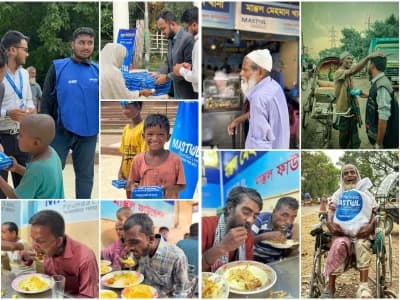 Community Development
The Importance of Community Development in Rural Bangladesh
Rural development in Bangladesh requires moving beyond top-down interventions toward participatory approaches that honor local leadership, foster shared responsibility, and build lasting resilience.
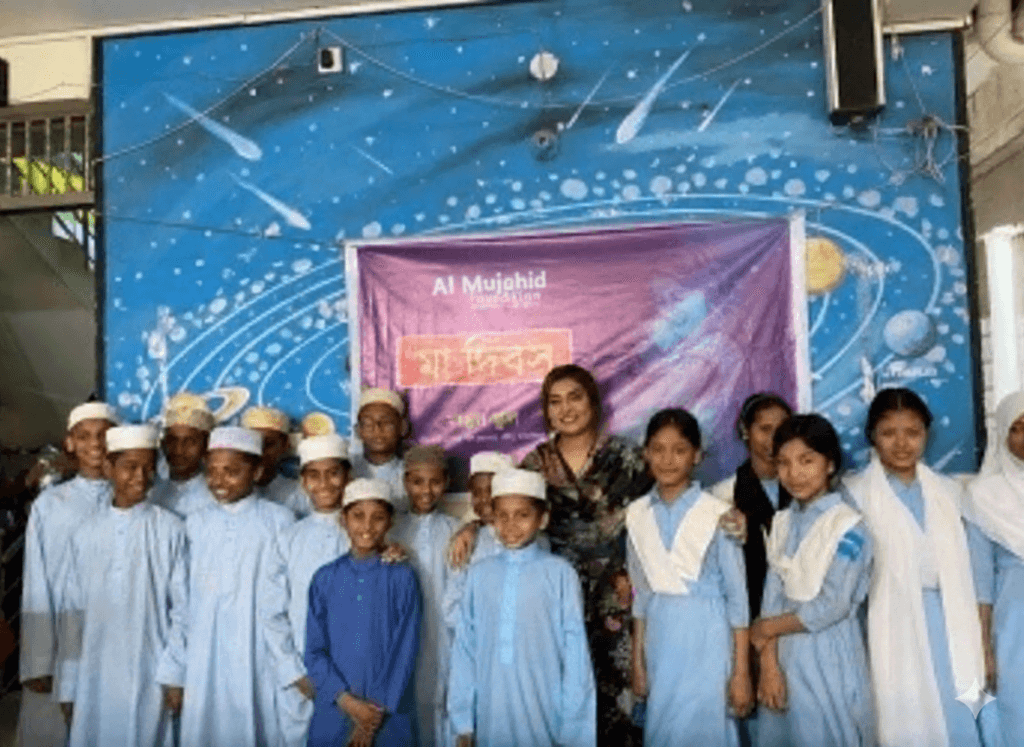 Education & Learning
Why Education Matters for Children in Underserved Communities
Access to safe, high-quality, and nurturing education transforms lives, offering children in remote and economically vulnerable communities a pathway to dignified livelihoods and civic agency.
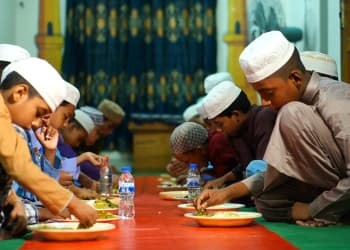 Child Protection & Safety
Child Protection and Safe Learning Environments in Bangladesh
Every child has the fundamental right to learn, play, and grow free from fear, physical punishment, and exploitation. Building safe environments is a collective community responsibility.