Our Work: Areas of Interest & Community Focus
Exploring holistic, participatory, and sustainable community development frameworks tailored for rural and coastal communities across Bangladesh.
Jump to a Thematic Area:
Detailed Thematic Focus Areas
Each section outlines the community context, why the issue matters for Bangladesh, key educational focus, and related in-depth analysis.
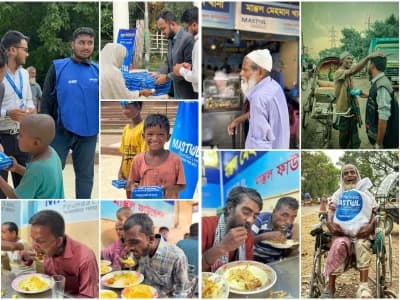
Community Development and Inclusion
Context & Approach:
Community development represents the foundational compass of our collective interest. Rather than prescribing top-down models, sustainable community progress is achieved when local residents—farmers, day-laborers, local shopkeepers, and elders—unite to map their assets, address collective vulnerabilities, and manage communal resources with dignity and mutual respect.
Why This Issue Matters:
Without inclusive community participation, development projects risk elite capture and short-lived outcomes. When communities own the design and implementation of local initiatives, social cohesion strengthens, vulnerable households are protected, and solutions endure across generations.
Key Educational Information:
Promoting participatory rural appraisal (PRA), transparent community assemblies, inclusive local leadership mentoring, and the formation of neighborhood self-help mutual-aid circles.
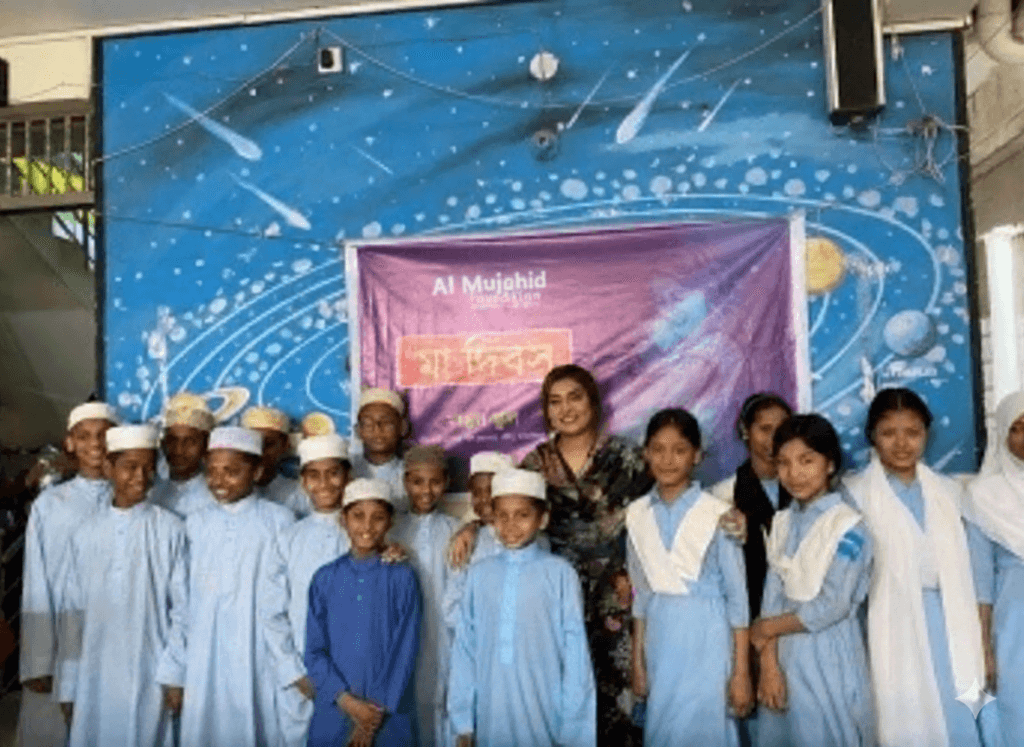
Education and Learning Opportunities
Context & Approach:
Education is the most powerful catalyst for breaking cycles of generational poverty. In remote and geographically challenging environments, many children face persistent hurdles including overcrowded classrooms, lack of remedial support, hidden schooling expenses, and seasonal climate disruptions.
Why This Issue Matters:
A solid educational foundation equips children with critical literacy, numeracy, problem-solving skills, and self-confidence, unlocking opportunities for safe livelihoods, active citizenship, and healthier families.
Key Educational Information:
Supporting foundational literacy and numeracy circles, encouraging mother-teacher engagement, promoting inclusive classrooms for children with disabilities, and reducing primary-to-secondary dropout rates.

Women and Girls' Empowerment
Context & Approach:
Women in rural Bangladesh are central to household resilience, child health, and local economies, yet they often face systemic barriers including early marriage pressures, unpaid domestic care burdens, and limited participation in public decision-making bodies.
Why This Issue Matters:
When women gain practical financial knowledge, control over independent savings, and seats at local governance tables, maternal health improves, domestic violence declines, and families invest substantially more in children's education and nutrition.
Key Educational Information:
Encouraging community-based savings and loan circles, functional financial and digital literacy, combating early child marriage, and creating safe dialogue spaces for adolescent girls.
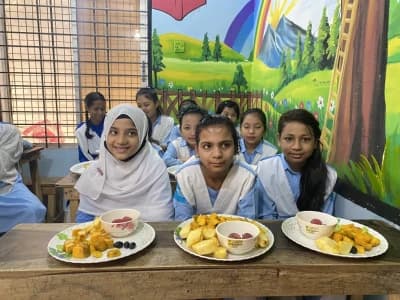
Youth Development and Participation
Context & Approach:
Young people constitute over 30% of Bangladesh's population, representing an immense reservoir of creativity, energy, and social responsibility. Providing youth with positive civic outlets and practical skills bridges the gap between formal schooling and dignified livelihoods.
Why This Issue Matters:
Engaged youth become the frontline defenders of their communities during floods and cyclones, passionate educational tutors for younger siblings, and ethical digital communicators who check misinformation and bridge communal divides.
Key Educational Information:
Organizing youth volunteer corps, leadership and public speaking workshops, computer and digital literacy education, and local environmental stewardship campaigns.

Water, Sanitation, and Hygiene (WASH)
Context & Approach:
Access to clean water and hygienic sanitation is an indispensable human right. In coastal areas such as Cox's Bazar and Teknaf, communities confront severe groundwater salinity, seasonal water shortages, and recurring microbial water contamination during monsoon storms.
Why This Issue Matters:
Waterborne illnesses deplete poor families of income, cause child stunting, and force women to walk miles each day fetching water. Systematic hygiene practices and source protection prevent widespread diarrheal epidemics.
Key Educational Information:
Promoting community rainwater harvesting, sanitary latrine construction above flood levels, handwashing with soap at critical times, and dignified school menstrual hygiene management.
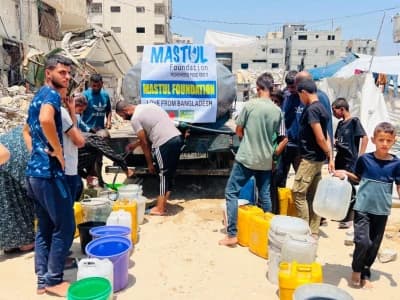
Climate Resilience and Disaster Preparedness
Context & Approach:
Coastal Bangladesh is on the frontlines of climate volatility, facing tropical cyclones, destructive tidal surges, and progressive saltwater intrusion. Building community resilience requires proactive disaster planning long before storm warnings are hoisted.
Why This Issue Matters:
Timely early warnings and inclusive evacuation protocols save human lives and protect livestock assets, allowing vulnerable families to recover rapidly without falling into devastating debt cycles.
Key Educational Information:
Developing community cyclone contingency plans, assembling household emergency go-bags (Jotno Tholi), promoting mangrove buffer restoration, and introducing salt-tolerant agricultural techniques.
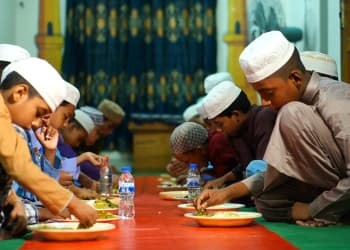
Child Protection Awareness
Context & Approach:
Every child deserves to grow up in safety, free from physical violence, emotional humiliation, and exploitative labor. Strengthening child protection involves establishing clear safeguarding standards across families, schools, and community organizations.
Why This Issue Matters:
Trauma and physical abuse inflict lifelong psychological and developmental damage. Children who learn in safe, encouraging environments develop confidence, curiosity, and the emotional strength to achieve their dreams.
Key Educational Information:
Training educators on positive non-violent discipline, establishing community-based child protection committees, raising awareness on child labor risks, and enforcing strict ethical media and safeguarding guidelines.
Collaborate on Community Research
Are you a development researcher, community volunteer, or local educator working in one of these thematic fields? We welcome knowledge sharing and peer collaboration.