Supporting Vulnerable and Displaced Communities with Dignity
Humanitarian assistance must transcend material relief to center human dignity, ethical representation, mutual community respect, and accountability to all affected people.
Introduction: Centering Humanity in Complex Crises
Throughout global history, conflicts, persecution, extreme economic collapse, and escalating environmental devastation have uprooted tens of millions of human beings from their ancestral homes. In Southeastern Bangladesh, particularly within the districts of Cox's Bazar and Bandarban, the humanitarian realities of displacement and protracted community vulnerability have been intimately observed over consecutive decades.
When families are forced to flee crisis situations with only what they can carry, they arrive stripped of legal documentation, property, and familiar support networks. In such deeply distressing contexts, the humanitarian response must be governed by principles that look far beyond the mere logistics of shelter tarpaulins, water distribution, and food rations. Genuine humanitarian action must fiercely protect and restore human dignity, ensuring that affected individuals and host communities are treated as subjects of fundamental rights rather than passive objects of charitable pity.
The Core Humanitarian Principles
Every ethical engagement with vulnerable or displaced populations is founded upon four internationally established humanitarian principles:
   ┌─────────────────────────────────────────────────────────────┐
   │            THE FOUR CORE HUMANITARIAN PRINCIPLES            │
   ├──────────────────────────────┬──────────────────────────────┤
   │ 1. Humanity                  │ Preventing and alleviating   │
   │                              │ human suffering wherever it  │
   │                              │ is found; protecting life    │
   ├──────────────────────────────┼──────────────────────────────┤
   │ 2. Neutrality                │ Not taking sides in hostili- │
   │                              │ ties or engaging in political│
   │                              │ or ideological controversies │
   ├──────────────────────────────┼──────────────────────────────┤
   │ 3. Impartiality              │ Providing aid solely based on│
   │                              │ need, with zero discrimina-  │
   │                              │ tion on nationality or race  │
   ├──────────────────────────────┼──────────────────────────────┤
   │ 4. Operational Independence  │ Remaining autonomous from po-│
   │                              │ litical, economic, or mili-  │
   │                              │ tary objectives of any actor │
   └──────────────────────────────┴──────────────────────────────┘
Adherence to these tenets ensures that assistance is delivered equitably and that vulnerable populations are safeguarded from political exploitation or instrumentalization.
The Crucial Interdependence of Displaced and Host Communities
One of the most vital lessons emerging from long-term humanitarian coordination in Cox's Bazar and surrounding sub-districts (such as Teknaf and Ukhiya) is that displaced populations and adjacent host communities share an interconnected fate. When large-scale displacement occurs:
- Ecological and Resource Pressures: Surrounding forests face firewood depletion, local groundwater tables suffer from heavy extraction, and village roadways experience intensive humanitarian vehicular traffic.
- Economic Price Shifts: Daily wage rates in the casual labor market may fluctuate, while local bazaar food prices can experience sudden inflation.
- Shared Vulnerabilities to Climate Shocks: Cyclones, heavy monsoon deluges, and landslides do not discriminate between refugee camps and adjacent Bangladeshi villages.
Consequently, ethical humanitarian programming must be holistic and conflict-sensitive. Initiatives that support displaced people must actively invest in host community resilience—rehabilitating shared healthcare clinics, upgrading village school facilities, reforesting damaged hillsides, and improving communal drainage networks—to foster social cohesion and mutual understanding.
Pillars of Dignified Assistance
To ensure humanitarian engagement respects the human spirit, organizations and civil society practitioners must operationalize four central commitments:
1. Protection Against Sexual Exploitation, Abuse, and Harassment (PSEAH)
Displaced individuals—especially widows, unaccompanied minors, adolescent girls, and persons with disabilities—are acutely exposed to exploitation by those who hold power or manage aid distributions. Civil society actors must institute stringent, confidential, and safe reporting channels. Staff and volunteers must operate under legally binding codes of conduct that enforce zero tolerance for predatory behavior or the demand for favors in exchange for services.
2. Meaningful Community Consultation and Feedback Mechanisms
People in crisis situations understand their daily survival requirements far better than external planners. Assistance must never be imposed from above:
- Accountability to Affected Populations (AAP): Organizations must establish regular "listening circles" where community elders, mothers, youth, and religious leaders can voice concerns without fear of reprisal.
- Multilingual and Culturally Respectful Communication: Communicating information in languages and dialects readily understood by affected people, utilizing verbal dialogues and illustrated materials rather than complex foreign bureaucratic paperwork.
- Accessible Complaints Desks: Providing confidential drop-boxes and hotlines operated by neutral personnel to swiftly investigate grievances regarding food quality, safety concerns, or unfair distribution lists.
3. Preserving Family Unity and Prioritizing Children
In the chaos of displacement, children are the most fragile victims. Providing structured child-friendly spaces, psychosocial trauma counseling, and continuous learning opportunities restores a sense of normalcy and psychological security. Unaccompanied and separated children require immediate identification, family-tracing support, and trusted community foster care arrangements to protect them from human trafficking or forced labor.
Ethical Storytelling and Responsible Communications
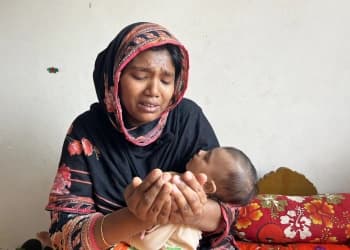
How organizations communicate about displaced and vulnerable communities is a direct reflection of their institutional ethics. The development sector has too often fallen prey to "poverty pornography"—publishing sensationalized images of crying children, distressed mothers, or squalid living conditions simply to provoke emotional donor reactions.
Ethical communications demand strict protocols:
- Informed, Voluntary Consent: Never photograph or interview an individual without explaining clearly where the image will appear and securing their explicit, unpressured agreement.
- Guarding Children's Identities: Never publish full names, exact residential locations, or identifying photographs of children in vulnerable circumstances.
- Portraying Agency and Resilience: Highlight people's dignity, wisdom, skills, and community mutual aid rather than portraying them solely as helpless victims awaiting external rescue.
Conclusion: A Shared Moral Obligation
Supporting vulnerable and displaced communities is not an act of patronizing charity; it is an affirmation of our shared human dignity. Displaced human beings possess the same hopes, talents, familial love, and aspirations for peace and security as any other citizen of our world.
By grounding humanitarian action in humility, rigorous accountability, mutual respect for host populations, and unwavering protection standards, civil society upholds the sacred truth that every human life is precious, deserving of safety, dignity, and a future of hope.
References & Factual Data Sources
- [1]Core Humanitarian Standard on Quality and Accountability (CHS) — CHS Alliance, Groupe URD, and the Sphere Project
- [2]The Sphere Handbook: Humanitarian Charter and Minimum Standards in Humanitarian Response — Sphere Association, Geneva, 2018
- [3]Joint Response Plan (JRP) for Rohingya Humanitarian Crisis (Cox's Bazar Context Analysis) — Inter-Sector Coordination Group (ISCG) & Strategic Executive Group, Bangladesh
*Cited sources provide independent context regarding development in Bangladesh. JAKLEN does not fabricate interviews, beneficiaries, or survey statistics.
Related Educational Articles
 Community Development
The Importance of Community Development in Rural Bangladesh
Rural development in Bangladesh requires moving beyond top-down interventions toward participatory approaches that honor local leadership, foster shared responsibility, and build lasting resilience.
 Child Protection & Safety
Child Protection and Safe Learning Environments in Bangladesh
Every child has the fundamental right to learn, play, and grow free from fear, physical punishment, and exploitation. Building safe environments is a collective community responsibility.
 Nonprofit Governance
Why Accountability and Transparency Matter in Nonprofit Organizations
Public trust is the most precious currency of any civil society initiative. Genuine transparency, ethical governance, and downward accountability transform good intentions into credible impact.